All official European Union website addresses are in the europa.eu domain.
See all EU institutions and bodies
An official website of the European Union | How do you know?

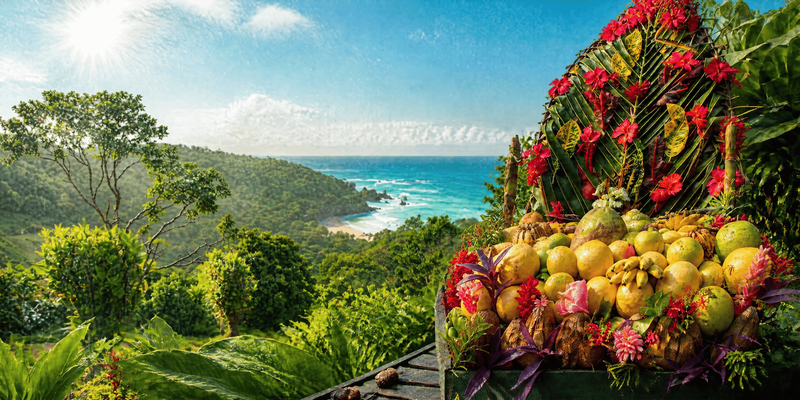
St. Ann is the oldest parish in Jamaica, often referred to as the "Garden Parish" due to its lush, verdant landscapes and fertile soil. Located on the north coast, St. Ann is a treasure trove of natural beauty, historical significance, and cultural richness. From the ancient Taino and Arawak peoples to the modern-day communities, St. Ann is a living testament to Jamaica’s diverse heritage.
Ancient History: The People of St. Ann
The Ciboney, Taino, and Arawak Peoples:
- Ciboney People: The earliest known settlers, the Ciboney (or "cave dwellers"), were skilled fishermen and hunter-gatherers who inhabited the island around 500 BCE.
- Taino and Arawak Peoples: By 600 CE, the Taino (Arawak) people, known for their agricultural skills and advanced social structures, settled in St. Ann. They named the island Xaymaca ("Land of Wood and Water").
- Living in St. Ann: The Taino lived in villages called yucayeques, with St. Ann’s fertile lands and coastal caves providing ideal living conditions.
- Cultural Legacy: Taino artifacts, such as zemis (sacred objects), have been found in St. Ann’s caves, including Runaway Bay Cave and Green Grotto Cave.
St. Ann is steeped in the legacy of Jamaica’s first inhabitants:
The Ostionoid Culture
The Ostionoid culture flourished in Jamaica between 600–1000 CE, succeeding the Taino. Named for their shell-encrusted pottery, the Ostionoid people were skilled artisans and traders. St. Ann’s Ostionoid sites are among the most significant in the Caribbean, with evidence of their settlements found near Discovery Bay and Ocho Rios.
- Lime Hall
- Mammee Bay
- Runaway Bay
Colonial History: Christopher Columbus and Beyond
Christopher Columbus’ Arrival:
- First Landing: In 1494, Christopher Columbus made his second voyage to the Caribbean and landed at Discovery Bay in St. Ann. He named the bay "Santa Maria de la Vega" and claimed the land for Spain.
- Spanish Influence: The Spanish established sugar plantations and enslaved the Taino people, leading to their eventual decimation due to disease and harsh conditions.
British Rule and the Maroons
British Takeover: In 1655, the British captured Jamaica from the Spanish. St. Ann became a center for sugar production and trade.
The People of St. Ann
- Marcus Garvey: Born in St. Ann’s Bay, Garvey was a global civil rights activist and founder of the Universal Negro Improvement Association (UNIA).
- Nanny of the Maroons: A legendary leader who led the Windward Maroons in their fight against British oppression.
Thank you for visiting Garden Parish Outlook. We hope you enjoy the content!~
– Garden Parish News Team